Skip to content
Layers of the South
Search

001The evidence catalogue

199 studies, laid out side by side. 779 graded statements.

Each stacked column is one study. Its cells are the study’s own How-sure statements, in the order the study stores them.

Lay out by

Across the water

38 studies · 147 statements

Land & water

38 studies · 151 statements

Words & worlds

37 studies · 142 statements

Belief & memory

31 studies · 124 statements

Everyday lives

26 studies · 99 statements

Made by hand

18 studies · 72 statements

How we know

11 studies · 44 statements

A core says how sure; it does not say how good, long or important a study is.

  • Well supported271
  • Likely165
  • Possible116
  • Not known227

Keep this selection

Asked
All 199 studies, 779 graded statements
Rows
779
Edition
2.1.2
Address
/library

AI-assisted research drafts; independent specialist review: none. A core says how sure each study is about its own statements, not a score.

Download statement cores (JSON)Cite from the researchers desk
Developer endpoint for this query
GET /api/v1/statements
Page address: /library/

002Read the list

Where to begin · twelve studies

Umbrella stones · central and northern KeralaUmbrella stones and rock-cut tombs: distinctive but not unique

Kerala's umbrella stones, cap stones and rock-cut chambers are regionally concentrated rather than unique,…

Kodumanal · Erode district, Tamil NaduKodumanal made stone beads and smelted iron on site

Excavations at Kodumanal document on-site bead-making and iron smelting alongside AMS dates reaching the…

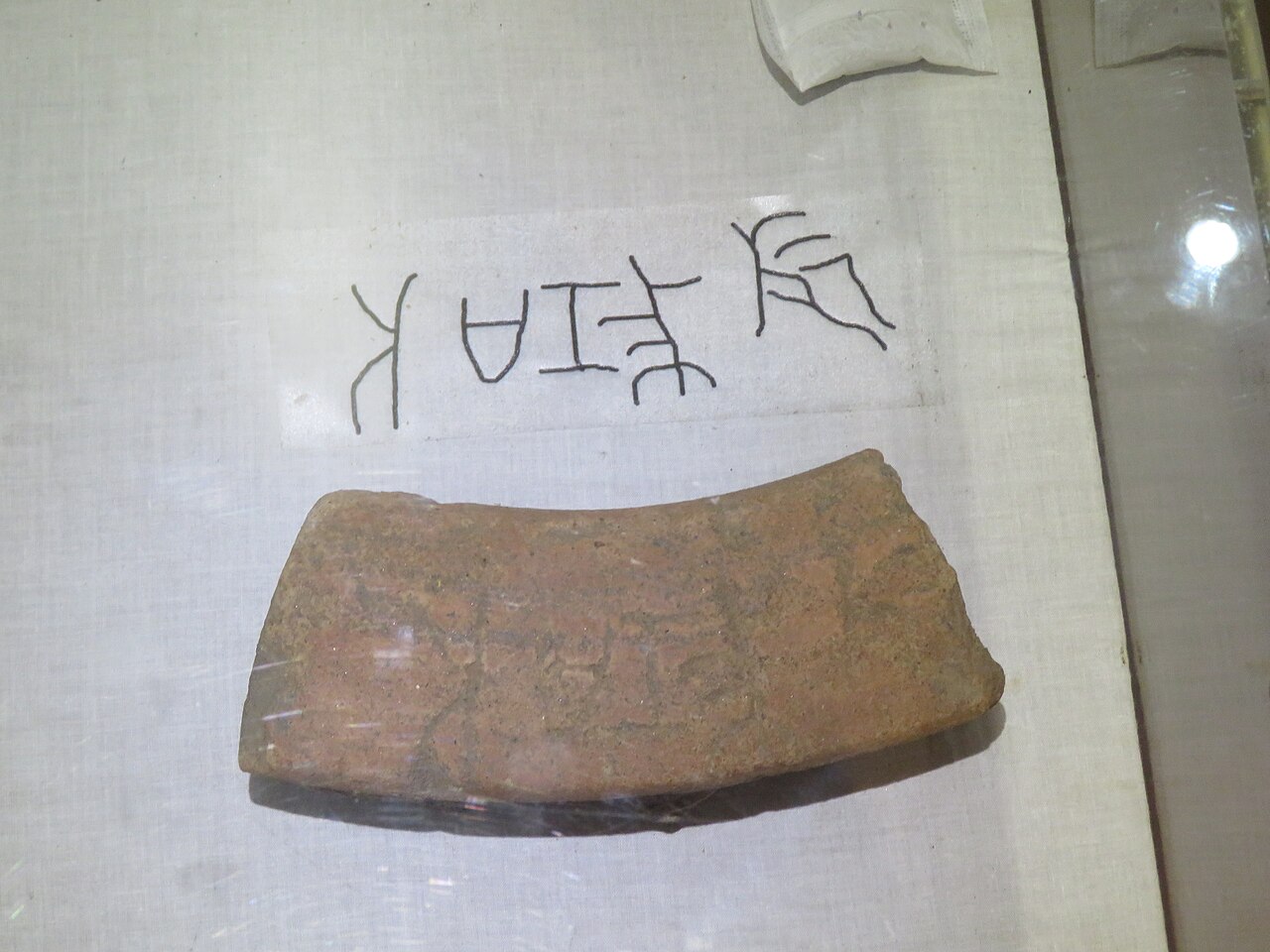
Keezhadi (Keeladi) · Vaigai basin, Tamil NaduKeezhadi's inscribed pots show writing in everyday life

Short names scratched on Keezhadi pottery show writing in daily settlement life, but the sherds cannot tell…

Keezhadi and Berenike · Tamil Nadu and the Red SeaSpinning and weaving in early Tamil Nadu and the Red Sea

Keeladi spindle whorls, a Purananuru poem and cotton sails at Berenike show stages of cloth-making, but not…

Roman coin hoards · KeralaKerala's Roman coin hoards show inland movement, not motive

Four Kerala hoards show Roman gold and silver reaching the region, some far inland, but poor find records…
Pattanam · central KeralaPattanam's radiocarbon dates give no single date for its wharf

Five early radiocarbon samples from Pattanam date pieces of charcoal and wood, not the building of its…

Muziris and Pattanam · Periyar delta, KeralaPattanam is a candidate for ancient Muziris

Pattanam has excavated evidence of long-distance exchange; its identification with Muziris and the exact…

Early iron · Sivagalai and MayiladumparaiEvidence has layers: observed, stated, inferred and unknown

Using Keeladi, Mangulam, a Sangam poem and the Muziris Papyrus, this study shows how to keep observation,…

Sangam landscapes · five tinai zonesHear the Sangam poem before using its evidence

Read a Sangam poem whole, and keep its speaker, attribution, translation and dates apart, before using any…

Edakkal caves · Wayanad, KeralaTamil Nadu iron: the 5,300-year date measures charcoal, not metal

Tamil Nadu’s 2025 report prints 3345 BCE for charcoal from a Sivagalai burial, but that value differs from…
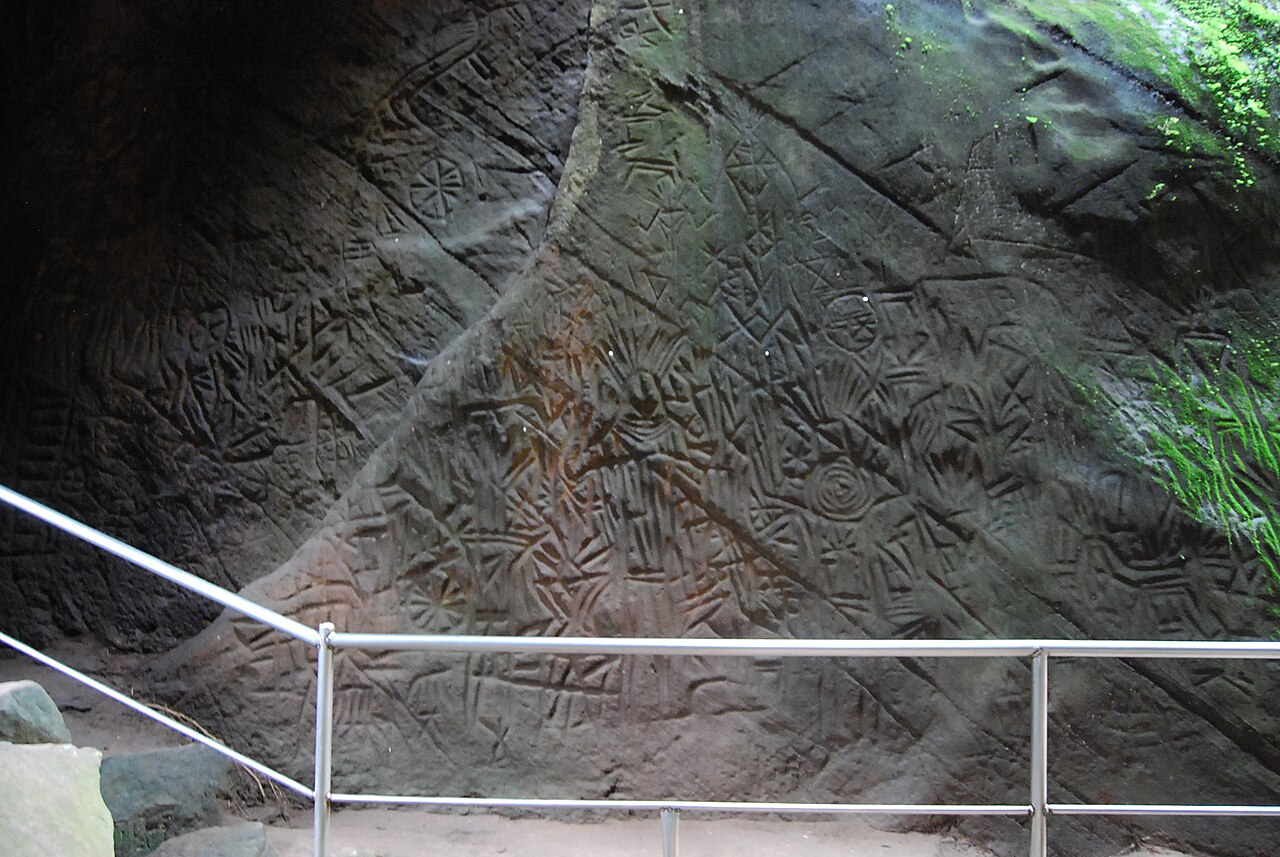
Porkalam · Thrissur district, KeralaEdakkal's inscriptions are dated more securely than its rock art

Edakkal's carved figures cannot yet be dated directly, but its Tamil-Brahmi and Vattezhuthu (Vaṭṭeḻuttu / Vatteluttu) inscriptions date…
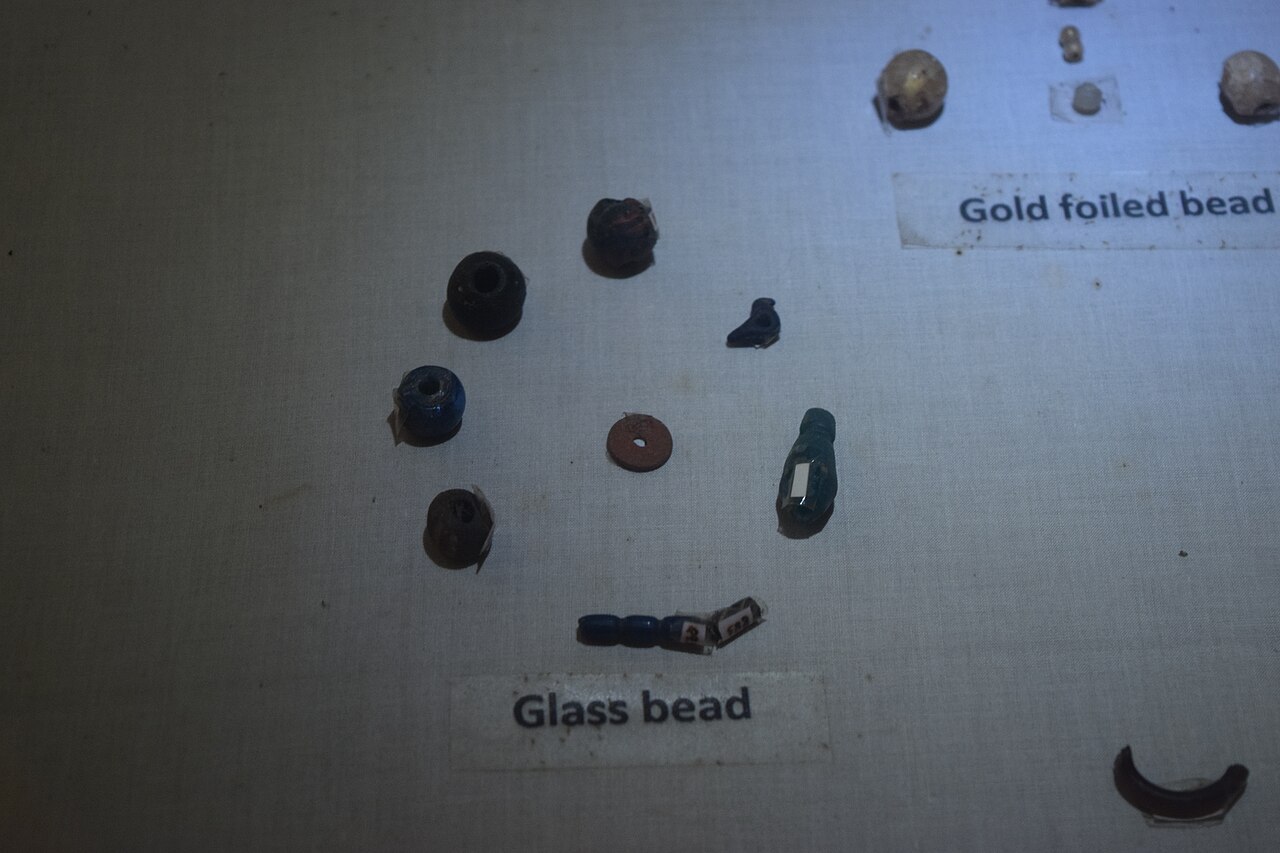
Tamil-Brāhmī · potsherds and rock sheltersPattanam's stone beads show pecking; their drilling is unresolved

Bead-making material from Pattanam shows pecking on agate, carnelian and chalcedony, but its drills, workshop…

Complete study register (199 studies, A to Z)Opens the full list of titles for reading or browsing without script
  1. 'Every place is home': Purananuru 192 read as a whole poem
  2. A medieval map copy labels a Temple of Augustus near Muziris
  3. A route has three layers: places, carriers and owners
  4. A Tamil-inscribed stone links a Thai bead site to South India
  5. A wedding in Sangam poetry: Akananuru 136
  6. Adichanallur cemetery: varied burials over a long span of time
  7. Adiyamankottai: an early settlement, a twelfth-century rampart
  8. Adulis: an African port active in the same ocean trade as Kerala
  9. After the dig: custody and slow publication shape the evidence
  10. Agaram and Manalur: no site dates in the excavation reports yet
  11. Alagankulam's pots and coins show changing sea links
  12. Alagarai: an Early Historic Kaveri pottery settlement
  13. Amulet and goddess labels on early objects go beyond the evidence
  14. Anakkara: excavated burials in Kerala's Bharathapuzha valley
  15. Ancient ship hulls and sails: what wrecks and Red Sea finds show
  16. Ancient ship rope and seam coatings: what each trace can show
  17. Ancient texts link Korkai with pearls, conch and Pandyan rulers
  18. Animal bones show livestock and wild game, not working animals
  19. Arikamedu was a South Indian craft port, not a Roman colony
  20. Arittapatti's cave inscriptions name two early donors
  21. Aryankavu pass offered a crossing, but no ancient road is shown
  22. Ashtamudi before 600 CE: early burials, but no proven port
  23. Ayurvedic texts: author, text and manuscript have different dates
  24. Betel leaf and lime appear in poems; early finds unverified
  25. Bharathappuzha basin: many burials, little dated settlement
  26. Black-and-red ware owes its colours to carbon, iron and firing
  27. Boluvampatti: many beads, but bead making there is not shown
  28. Chengam hero stones: no simple sequence of weapons or scripts
  29. Chera poems show bards and dancers travelling for royal gifts
  30. Chera silver portrait coins carry Tamil-Brahmi names and titles
  31. Cheramanangad’s stone markers do not predict what lies beneath
  32. Cinnamon and cassia: what a fragrant name can and cannot identify
  33. Colonial records alone document Nilambur gold washing
  34. Cosmas names five pepper marts of Malê and a church there
  35. Crops at six sites: millets and pulses persist as rice spreads
  36. Deccan cities and Konkan ports fed linked trade toward Muziris
  37. Dravidian languages form one family; its homeland is not known
  38. Early Chera rulers seen through stone, edict, poem and coin
  39. Early houses survive as walls, post-holes and tiles, not plans
  40. Early Jain-related shelters: strong in Tamil Nadu, thin in Kerala
  41. Early Kerala rice labour: no proven link to Pulayar or Cherumar
  42. Early poems name Kuda as a place, Puzhi and Kutta as peoples
  43. Early South Indian farming mixed rain-fed crops and managed water
  44. Early Tamil hero stones record names and a cattle raid
  45. Early Tamil poems name Ay rulers but do not map an Ay kingdom
  46. Early Tamil poems name many gods; dated shrines come later
  47. Early Tamil poems place the sacred in songs, rivers and gestures
  48. Early Tamil poems show children playing with toy carts
  49. Early Tamil records show rank, not the later caste order
  50. Edakkal's inscriptions are dated more securely than its rock art
  51. Evening lamps in early Tamil poems, and how fuel is identified
  52. Everyday food: the evidence shows ingredients and work, not menus
  53. Evidence has layers: observed, stated, inferred and unknown
  54. Eyyal's 1945 hoard held Roman coins and punch-marked silver
  55. Eyyal's burial cave: two chambers, studied apart from its coins
  56. Five Tamil landscapes are a poetic code, not a map of economies
  57. Four northern Kerala Iron Age burials differ in form and finds
  58. Genetic ancestry in South India: old mixing, few ancient samples
  59. Glass beads: where glass was made, shaped and found can differ
  60. Growing old in Sangam poetry: two Purananuru voices
  61. Hear the Sangam poem before using its evidence
  62. High-tin bronze bowls show real skill but no single recipe
  63. Hoq cave names western Indian sailors; Sumhuram has a Tamil name
  64. Human remains give site-level findings, not a regional history
  65. In Tamil love poems, who speaks matters as much as the landscape
  66. India-trade cargo crossed Egypt by camel, warehouse and Nile boat
  67. Inland lake and peat cores show climate more clearly than people
  68. Iron or steel: four questions to ask of early South Indian finds
  69. Iron weapons predate 600 CE, but Kalaripayattu came much later
  70. Kallanai: an old Kaveri weir whose building date is unknown
  71. Karur excavations show trade; most coin finds lack context
  72. Kattakampal's burial cave: four chambers and no central pillar
  73. Keezhadi's excavations reveal a substantial brick settlement
  74. Keezhadi's inscribed pots show writing in everyday life
  75. Kerala 300–600 CE: sea links changed rather than collapsed
  76. Kerala mudbanks calm monsoon seas; their ancient use is unproven
  77. Kerala's Buddha statues are usually placed after 600 CE
  78. Kerala's early Jain sites are not dated before 600 CE
  79. Kerala's Iron Age graves are many; only a handful are dated
  80. Kerala's punch-marked silver shows exchange, not Mauryan rule
  81. Kerala's Roman coin hoards show inland movement, not motive
  82. Kerala's serpent groves are not shown to date to the Iron Age
  83. Kerala's spice coast grew from habitats, cultivation and trade
  84. Kodumanal made stone beads and smelted iron on site
  85. Kodungallur digs found medieval layers, Pattanam much older ones
  86. Kodungallur's arrival stories were written down centuries later
  87. Konthagai's urn graves beside Keezhadi await direct dates and DNA
  88. Korkai shows chank-shell working; Keezhadi has finished bangles
  89. Korravai resembles Kerala's Bhadrakali; no dated line joins them
  90. Kottayam's Roman gold hoard came from North Malabar, near Kannur
  91. Kunnakkudi's inscriptions come from widely separated centuries
  92. Kuttanad's buried peat and wood do not date ancient rice fields
  93. Lower Periyar sites show early trade; early farming is unproven
  94. Machad’s 1974 excavation found a granite-capped urn and a cist
  95. Maduraikkanchi shows a city of markets, crafts and night guards
  96. Malabathrum and cardamom: Kerala hill origins not shown
  97. Malaipadukadam: mountain travel, sound and welcome in Tamil verse
  98. Mamankam at Thirunavaya is not attested before 600 CE
  99. Mangadu's urn burials give southern Kerala early dated charcoal
  100. Mangudi: stone tools, later occupation and one inscribed sherd
  101. Mangulam's inscriptions name a ruler's servant, kin and a guild
  102. Manigramam and Ayyavole merchant guilds appear only after 600 CE
  103. Manimekalai: Tamil Buddhist poem on hunger, argument and voyages
  104. Marayoor has dense dolmens, but their link to a route is untested
  105. Mayiladumparai's early iron dates come from charcoal, not iron
  106. Modur: a Neolithic settlement beneath later Iron Age layers
  107. Monsoon winds shaped ancient sailing without fixing one timetable
  108. Muziris Papyrus records credit, cargo values and a quarter tax
  109. Nelkynda and Bakare were a linked river port and anchorage
  110. No customs rate or procedure is known for ancient Muziris
  111. No secure clove or nutmeg find is known yet from early Pattanam
  112. Northern Kerala's rock-cut burial caves vary widely in form
  113. Northern Tamil Nadu's firmest Deccan link is the Pallava charters
  114. Omens and dreams in Sangam poems are acts of interpretation
  115. Ordinary settlements beyond the ports are known but hard to count
  116. Pahlavi crosses show Persian Christian links but no sure date
  117. Palakkad graves show early iron use, not yet local smelting
  118. Palm-leaf texts survived because people kept copying them
  119. Pandya and Chola power is well attested, but not as a king list
  120. Pantalayani Kollam's dated port history is medieval, not ancient
  121. Parathavar poems show fishers with a stake in salt, not pilots
  122. Pattanam finds: wide trade links, unevenly dated and sourced
  123. Pattanam is a candidate for ancient Muziris
  124. Pattanam's radiocarbon dates give no single date for its wharf
  125. Pattanam's stone beads show pecking; their drilling is unresolved
  126. Pattanam's torpedo jars show trade links, not Persian settlers
  127. Pattinappalai shows a taxed, busy port, not a customs bureau
  128. Perur yielded glass beads but no sign that they were made there
  129. Peruñcōṟu, royal food-giving in Tamil poems, had several meanings
  130. Pliny's forty days run from Ocelis to Muziris, not from Egypt
  131. Poems praise a Chera king's sea victory but name no fleet
  132. Poems tie Nannan to Eḻil, but naval power at Ezhimala is unproven
  133. Poompuhar's drowned remains show coastal change, not a lost land
  134. Poompuhar: a river-mouth port landscape partly lost to the sea
  135. Porkalam 1948: one urn burial that became a reference point
  136. Porunthal's graves hold dated rice; the writing claim is disputed
  137. Ptolemy's Malabar coast coordinates are not modern map positions
  138. Pugalur inscriptions record a three-generation royal genealogy
  139. Pulankurichi rock texts record land rights, officers and temples
  140. Purananuru gift poems show poets judging how gifts were given
  141. Reported frankincense at Pattanam still needs a chemical test
  142. Ring shape alone does not show whether a feature was a well
  143. Roman coins in South India were slashed, pierced and copied
  144. Russet-coated ware occurs in Kerala; its source and age are open
  145. Salt was made on the coast and carted inland in early South India
  146. Samanar Malai: an early inscription and later Jain reliefs
  147. Sangam love poems let a friend dispute the velan's diagnosis
  148. Sangam love poems weigh leaving for wealth against staying home
  149. Sangam poems: early verse in later anthologies, dates debated
  150. Sastha and the Buddha share a title, not a shown line of descent
  151. Sediment cores cannot yet fix the Periyar mouth of Muziris’s time
  152. Sediment cores record coastal change, not port or flood dates
  153. Silappadikaram shows city work and justice, not a real itinerary
  154. Silk reached the Kerala ports through intermediaries
  155. Sittanavasal's rock beds and cave temple come from different eras
  156. Sivagalai's dated rice grain came from inside a burial urn
  157. South India around 600 CE: change in stages, not one break
  158. South India made early high-carbon steel; early wootz is unproven
  159. Spinning and weaving in early Tamil Nadu and the Red Sea
  160. Sri Lanka and the Tamil coast shared pottery, beads and writing
  161. Star lore in early Tamil poems does not give exact dates
  162. Sulur grave coin, later gold aurei, and Vellalur denarii
  163. Tamil mourning poems and a Kerala stone burial, read side by side
  164. Tamil Nadu iron: the 5,300-year date measures charcoal, not metal
  165. Tamil Nadu: no single Iron Age to Early Historic boundary shown
  166. Tamil writing found on pots at Egypt's Red Sea ports
  167. Tamil-Brahmi comes from Brahmi; when it began is still disputed
  168. Teak in Indian Ocean trade: no proven Western Ghats source
  169. Texts link pepper to inland Cottonara, not a whole route
  170. The early Chera seat of Vanchi fits Karur better than Kodungallur
  171. The Godavaya wreck shows early seafaring off Sri Lanka
  172. The Jambai inscription ties Aśoka's Satiyaputo to the Atiyan line
  173. The label Yavana named different roles, not one nationality
  174. The Nedunalvadai pictures palace and camp, not a building record
  175. The Patiṟṟuppattu is layered Chera praise poetry, not an archive
  176. The Periplus describes linked ports on the southwest Indian coast
  177. The yāḻ harp is known from poems, not from excavated finds
  178. Theyyam's present form is placed in the late medieval period
  179. Three Tamil Nadu digs: shell workshop, inscribed pots, coffins
  180. Tirunatharkunru stone remembers a Jain teacher's 57-day fast
  181. Tirupparankunram inscriptions name donors but no merchant guild
  182. Today's dammed Periyar is a poor guide to the ancient river
  183. Tolkappiyam grammar: what it shows about marriage, war and rank
  184. Tradition credits a woman poet with ten Chera royal praise poems
  185. Two Tamil poems use Muziris's wealth for different ends
  186. Tyndis was a real Malabar market, but its site is still unknown
  187. Umbrella stones and rock-cut tombs: distinctive but not unique
  188. Uraiyur was a substantial, long-lived settlement on the Kaveri
  189. Valluvally's 1983 hoard held Roman gold aurei and imitations
  190. Vatteluttu grew gradually and unevenly from late Tamil-Brahmi
  191. Velir chiefs were named local rulers, not one hill-chief system
  192. Velvikkudi plates: an eighth-century memory of the Kalabhras
  193. Vembanad lagoon is far older than 1000 BCE and kept changing
  194. Vizhinjam's earliest phase: sea foods and West Asian jars
  195. Voyage loans: who bore a cargo's loss depended on the agreement
  196. Wayanad pass roads are documented from the late 1700s
  197. Western Ghats uplands were settled; forest producers are unnamed
  198. Written Malayalam is clearly documented from the 800s
  199. Śrīmūlavāsa monastery: first recorded in Paliyam plates (898 CE)