






Unit A · Ages 7 to 9
What did people leave behind?
What can the things people left behind tell us about their lives?
4 lessons · 51 pages, A4 or US Letter
Open the packFor teachers
Every lesson starts from one question about early Kerala and Tamil Nadu and answers it from the studies on this website. Pupils look at sources and teaching drawings, sort what was found from what people worked out, and decide how sure we can be.
000Find a lesson
Choose an age and the time you have: the lessons that fit show below. Every lesson also works on paper alone.
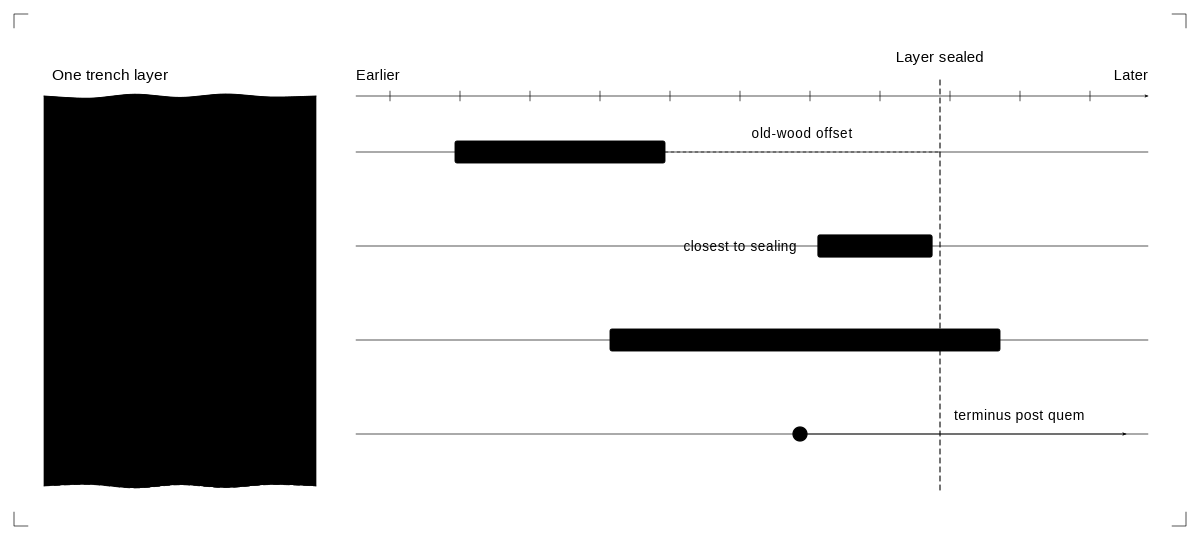
001The Step Trench · 5 steps, 18 lessons
LookWhat can I see?
SortWas it found, or worked out from what was found?
GradeHow sure can we be?
TestDo two kinds of evidence agree? What does this date measure?
ArgueWhy do scholars disagree, and what would settle it?
Every tag sits on the step it teaches from the ladder matrix; again marks where a step returns.
002How these lessons work
Each lesson asks one question and gives pupils three source cards: something from the ground, a laboratory result, a text, a poem or a place. Pupils look first, then sort what was found from what people worked out, then decide how sure we can be and give a reason.
Every lesson was drafted with AI assistance from the studies on this website and checked against them. None has yet been tried with a class. Treat each one as a careful starting point and change it for your pupils.
Every statement on this website carries one of four levels. On paper each level is a fill that pupils can draw with a pencil, so a sheet survives the photocopier and needs no colour.
003Units
Each strip shows the periods of the timeline, under their own dates, with the unit's lessons placed in the period they study.
Unit A · Ages 7 to 9
What can the things people left behind tell us about their lives?
4 lessons · 51 pages, A4 or US Letter
Open the packUnit B · Ages 9 to 11
How do archaeologists find out about people who lived long ago?
4 lessons · 52 pages, A4 or US Letter
Open the packUnit C · Ages 11 to 14
How do we know about the early kingdoms of the south and their trade?
5 lessons · 64 pages, A4 or US Letter
Open the packUnit D · Ages 14 to 18
How sure can we be about early South India's links with the wider world, and why do scholars disagree?
5 lessons · 66 pages, A4 or US Letter
Open the pack004For schools
The schools page gathers what a school needs before it decides: a whole-school plan, the curriculum lines we have checked in the boards' own documents, and plain facts about privacy and safeguarding.
005Classroom screen
The classroom screen shows a lesson's sources and questions in large type, one to a screen. The arrow keys move between screens and F fills the screen. Everything is in the page, so nothing is sent anywhere while you teach.
006Honest status
These lessons are drafts. They have not been tried in a classroom, and no specialist has reviewed them. The curriculum lines name only what we read in a board's own document.
No school board has reviewed or endorsed these mappings.
Notes for researchers who want to study these lessons in a classroom