011Catalogue page 11 of 12
Catalogue page 11.
Every title is a complete research study. Return to the study catalogue to inspect all 199 studies side by side.
Three short Tamil-Brahmi records near Madurai name donors and a maker; one disputed word may mean Ceylon or a toddy-tapper community.

Fifteen dams and irrigation canals have reshaped the Periyar, so the modern river cannot stand in for the ancient one.
Words & worldsTolkappiyam grammar: what it shows about marriage, war and rankThe Tolkappiyam's third book classifies marriage, memorial stones, warfare and social rank, but it is a grammar of poetry, not a law code.
Words & worldsTradition credits a woman poet with ten Chera royal praise poemsTradition credits Kākkaipāṭiṉiyār with ten poems praising a Chera king; Veḷḷi Vītiyār's Chera link is a simile, and neither poet's birthplace is known.
Words & worldsTwo Tamil poems use Muziris's wealth for different endsAkananuru 149 and Purananuru 343 both link Musiri with gold, pepper and busy waterborne trade, but put that image to different literary uses.
Land & waterTyndis was a real Malabar market, but its site is still unknownThe Periplus names Tyndis as a Malabar coastal market; Ponnani is the leading proposed site, but no candidate is confirmed by archaeology.

Kerala's umbrella stones, cap stones and rock-cut chambers are regionally concentrated rather than unique, and laboratory dates for them are few.
Land & waterUraiyur was a substantial, long-lived settlement on the KaveriExcavations at Uraiyur found about four metres of settlement layers with pottery and writing, but no confirmed dye vats or Roman-made ware.
Across the waterValluvally's 1983 hoard held Roman gold aurei and imitationsThe 1983 Valluvally find near North Paravur held Roman gold aurei and imitations; its exact count and any cut marks remain unclear.
Words & worldsVattezhuthu (Vaṭṭeḻuttu / Vatteluttu) grew gradually and unevenly from late Tamil-BrahmiComparing inscriptions shows Vatteluttu emerging gradually from late Tamil-Brahmi in about the fourth to sixth centuries CE, with letters changing at different speeds.

Poems and one inscription show Pari, Ay Andiran and Atiyaman as powerful local rulers; no source examined shows they controlled Ghat passes or mines.
Words & worldsVelvikkudi plates: an eighth-century memory of the KalabhrasAn eighth-century Pandya charter remembers a seized land grant and its restoration; on its own it cannot establish a three-century Kalabhra 'dark age'.

Vembanad lagoon and the Vypin barrier have long, changing histories; neither should be treated as a creation of the Sangam period. Ancient texts describe transfers between larger ships and…
Land & waterVizhinjam's earliest phase: sea foods and West Asian jarsExcavations at Vizhinjam found a coastal sequence beginning in the first centuries CE; its identity as Balita or a pre-600 Ay port is unproven.
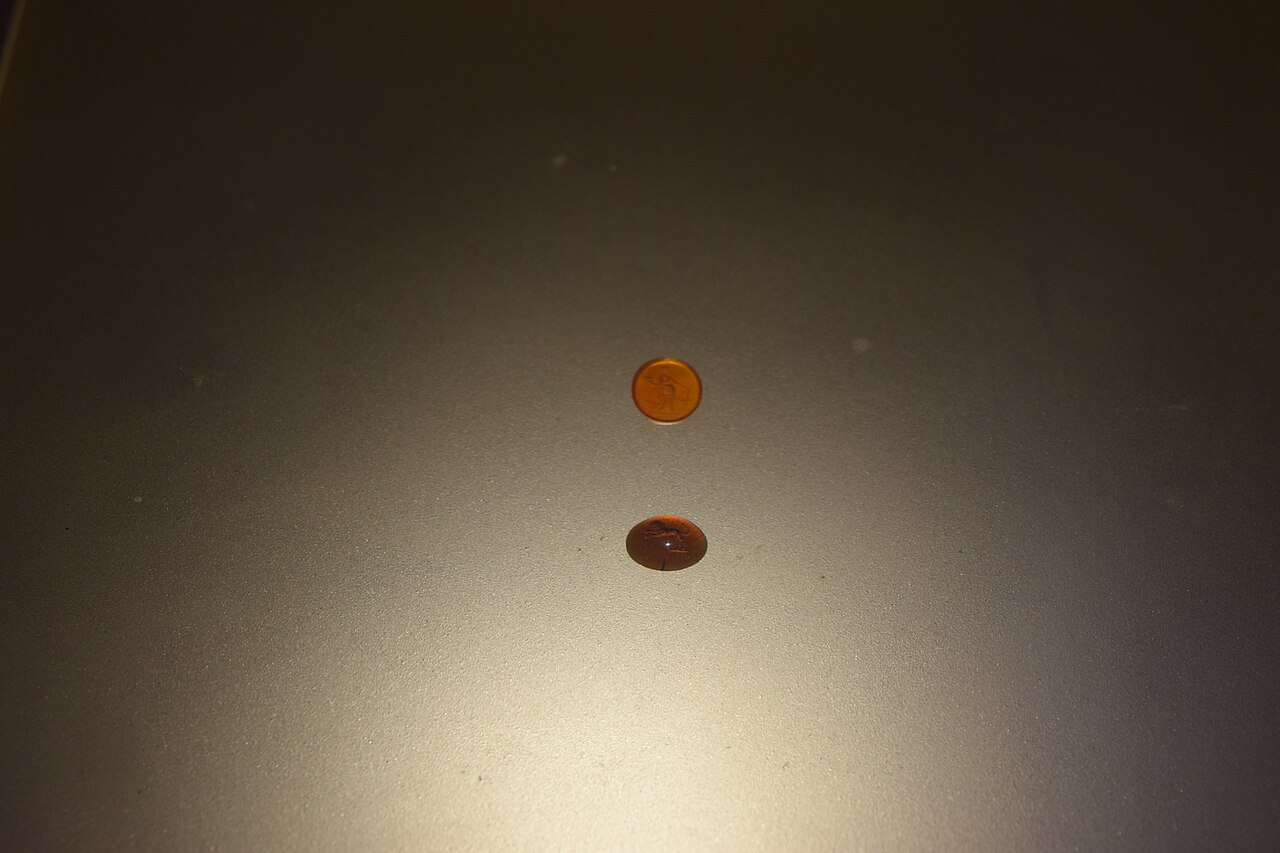 Across the waterVoyage loans: who bore a cargo's loss depended on the agreement
The Muziris Papyrus and the sea loan in Against Lacritus tie credit to voyages and pledged goods; neither gives a general rule for losses.
Land & waterWayanad pass roads are documented from the late 1700sWilliam Logan's Malabar (1887) documents military use of the Thamarassery pass from the 1770s and both passes in 1796–97; Wayanad has older megaliths, but no ancient road along these passes…

Dated evidence shows settled, mixed upland economies and traded forest goods, but no link between ancient producers and today's Kanikkar or Malai Vedan.
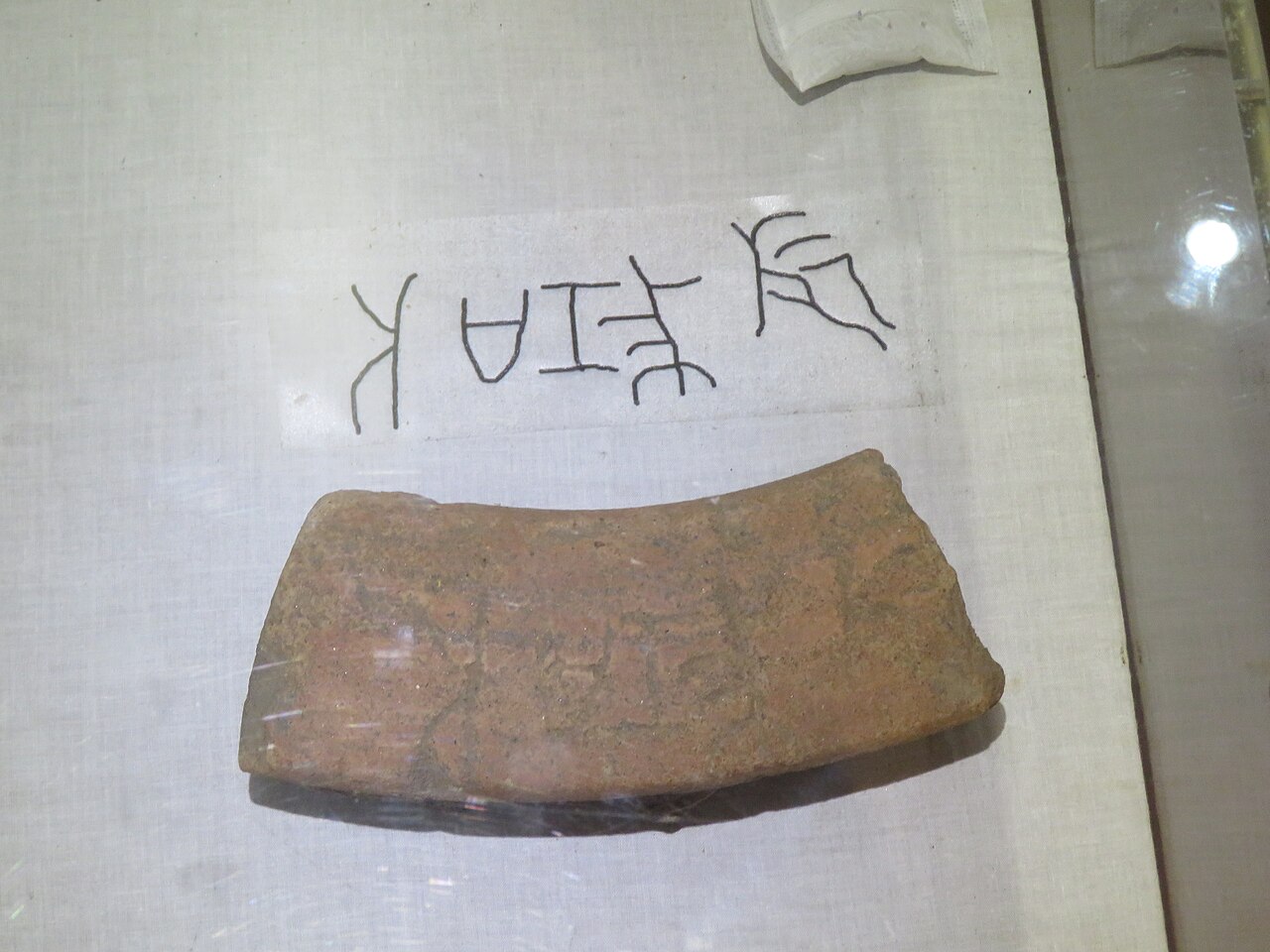 Words & worldsWritten Malayalam is clearly documented from the 800s
Around 600 CE the evidence fits western varieties of late Old Tamil; clearly written Malayalam appears only from the ninth century.