Mission B2 · Ages 9 to 11 · About 20 minutes
Names on old pots
Who wrote on these pots?
Look closely
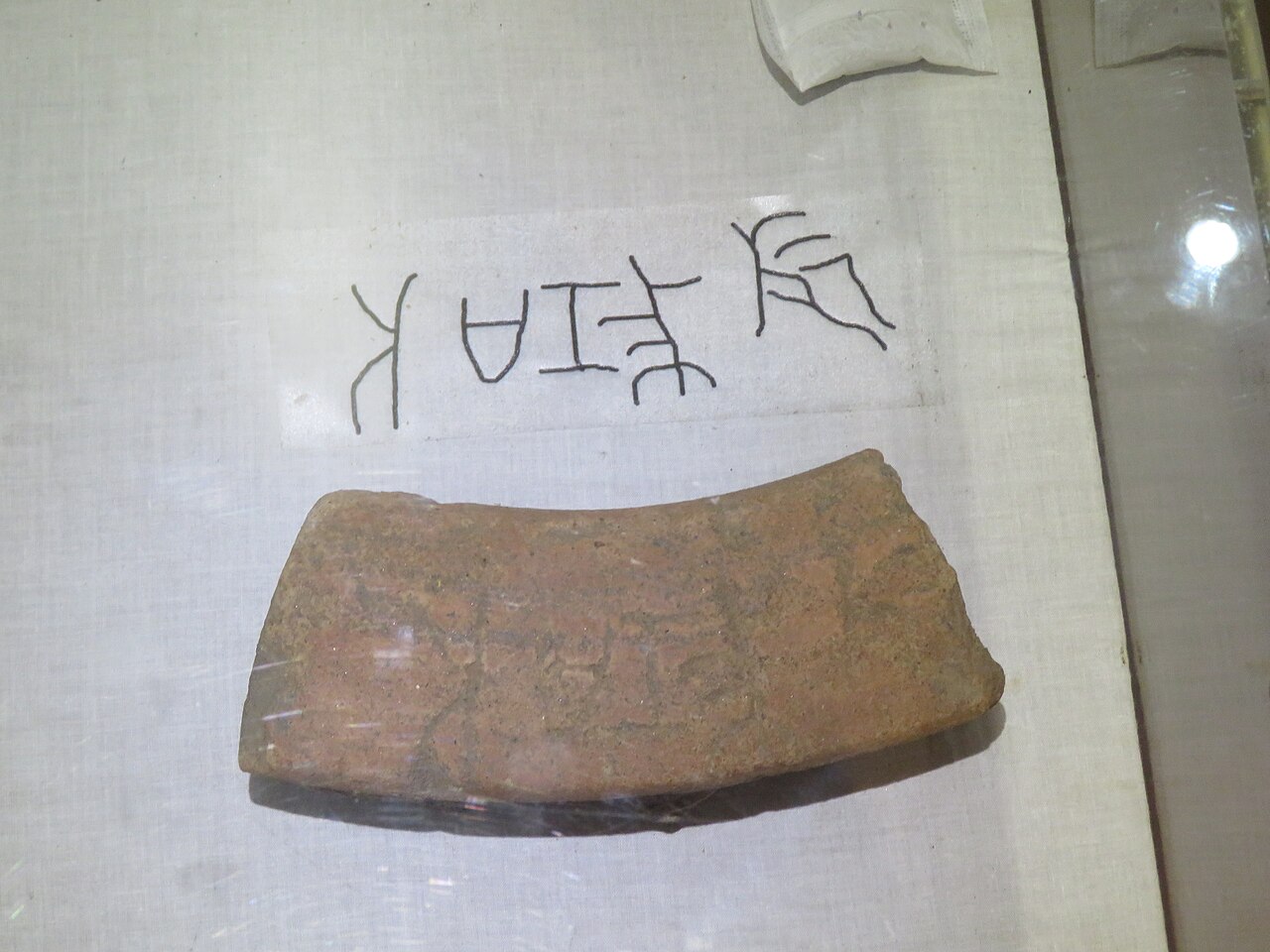
Photo: Vinayaraj (Wikimedia Commons). Licence: CC BY-SA 4.0. Full credit for this photo
Look at the broken pot and the big letters drawn above it. What do you think you see? What puzzles you?
Turn it over: what do we know?
What the picture cannot tell us
Letter shapes show a family link. They do not give an exact date. Nobody knows yet how many people at Keezhadi (Keeladi) could read or write.
What we know
- strong evidenceWriting on pots was part of everyday life at Keezhadi.
- strong evidenceTamil-Brahmi belongs to a wider family of letters called Brahmi.
Nobody knows yet
- nobody knows yetNobody knows yet if the writing at Keezhadi is as old as 580 BCE.
Where did this come from?
Facts from: Keezhadi's inscribed pots show writing in everyday life, Tamil-Brahmi comes from Brahmi; when it began is still disputed. Photo record: A sherd displayed as bearing Tamil-Brahmi writing at Pattanam Museum.
Three steps
- 1 Look at the writing on a broken pot.
- 2 Find out what was scratched on the pots at Keezhadi.
- 3 Decide what the pots can tell us, and what they cannot.
Three quick checks
1. When were many names scratched onto Keezhadi pots?
After the pots were fired: Dig reports record scratches cut into hard pots after firing.
2. Why keep simple scratched shapes apart from letters?
Letters stand for sounds, while those shapes are unread: Keeping phonetic letters apart from unread marks stops false guesses.
3. What is still not known about reading at Keezhadi?
How many people could read or write: Marked pots show writing was used, not how many people read.
Words to know
- Tamil-Brahmi തമിഴി (തമിഴ് ബ്രാഹ്മി)
- An early way of writing Tamil, with letters taken from Brahmi.
- Brahmi
- A family of early Indian letters that Tamil-Brahmi belongs to.
- settlement
- A place where people lived together.